


Over the last decade, the Korean cosmetics industry has evolved from a consumer trendsetter into one of the strongest global drivers of innovation in cosmetic active ingredients. This shift is no coincidence; it is the result of sustained investment in biotechnological R&D, a highly integrated supply chain, and a regulatory culture that has successfully balanced rapid product development with rigorous clinical validation.
The economic weight of this leadership is undeniable. In 2024, South Korea’s domestic cosmetics manufacturing industry grew by 20.9%, reaching a record high of KRW 17.54 trillion, while cosmetic exports exceeded USD 10.2 billion, representing a 20.3% increase compared to the previous year, according to data from the Ministry of Food and Drug Safety (MFDS). With these figures, South Korea became the world’s third-largest cosmetics exporter, behind only France and the United States.
Behind these numbers lies more than strong consumer demand. South Korea has built an industry that systematically invests in skin-focused biotechnology, with companies allocating a significant share of their revenue to research and development and transforming active ingredient innovation into a sustainable competitive advantage.
A significant portion of this effort is focused on the development of highly functional active ingredients, including synthetic peptides, extracts obtained through controlled microbial fermentation, functional polysaccharides, and compounds produced using advanced cellular engineering technologies.
What sets these Korean cosmetic actives apart from the broader range of ingredients available on the market is not only their origin, but also the philosophy behind their development. K-Beauty, when understood from its technical perspective rather than as a consumer trend, represents a skin-focused development approach built around prevention: strengthening the skin barrier, modulating inflammatory responses, stimulating the synthesis of extracellular matrix components, and supporting the balance of the skin microbiome. This holistic view of skin function differs significantly from more traditional approaches that focus primarily on the correction of visible surface concerns.
This approach has gained significant traction among some of the most demanding formulation laboratories in Europe and Asia. Its appeal lies not only in the proven efficacy of these active ingredients, but also in the quality assurances embedded throughout their production chain: traceability of raw materials, batch-to-batch consistency, comprehensive technical documentation, and compatibility with international regulatory frameworks, including the European Cosmetic Regulation (EC) No. 1223/2009 and South Korea’s regulatory guidelines. For formulators, this translates into reduced development uncertainty and greater technical robustness in the final product dossier.
This is where the Korean cosmetic actives discussed in this article come into focus: the most visible outcome of an industry that has spent decades placing science at the heart of cosmetic formulation.
KOREAN COSMETIC ACTIVES
Hydra Biotics

Hydra Biotics is an ingredient derived from floral probiotics isolated from Jeju hydrangea, featuring a proprietary registered strain and a pending patent. It has been developed to strengthen skin barrier function and soothe sensitive skin. Its activity is based on probiotic metabolites that contribute to skin pH balance, barrier integrity, and overall skin comfort.
INCI: Water, Lactobacillus Ferment Lysate, Butylene Glycol, 1,2-Hexanediol
In vitro study
- pH regulation and barrier function: Hydra Biotics contains 4000pm of organic acids (lactic, citric, and acetic acids), which contribute to maintaining physiological pH and strengthening the natural antimicrobial barrier. >
- Epidermal lipid synthesis: significant increase in epidermal ceramides in keratinocytes, including Dh C18:0 and Dh C24:0, key structural lipids of the stratum corneum.
- Soothing / anti-pruritic effect: dose-dependent reduction in TRPV-1 expression (a marker of skin itching):
- −8,07 % at 1 %
- −21,22 % at 5 %
- −26,59 % at 10 %
Jeju Mulpurae 1000 — Fraxinus Rhynchophylla Extract
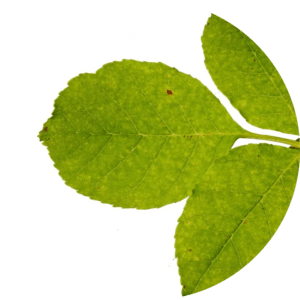
Jeju Mulpurae 1000 is an ash tree extract (Fraxinus rhynchophylla) sourced from Jeju Island and obtained through subcritical water extraction, an environmentally friendly process that eliminates the need for organic solvents. It is designed to visibly improve the appearance of wrinkles and support collagen synthesis, with esculin standardized at 900–1,100 ppm as its key active marker. The ingredient is vegan-certified and has been recognized by the Korean Ministry of Food and Drug Safety (MFDS) as a functional cosmetic ingredient.
Recommended dosage: 3%.
INCI: Butylene Glycol, Water, Fraxinus Rhynchophylla Extract
In vitro study. Evaluated concentrations: 1% and 3% Jeju Mulpurae 1000.
- Result — Jeju Mulpurae 1000 reduced MMP-1 expression by 37% at 10 µg/mL (p <0.01).
- Result 2 — Collagen synthesis: 42.8% increase at a concentration of 3% (p <0.05).
In vivo study (12 weeks, 20 subjects, 3% use level).
- Statistically significant improvements in skin roughness parameters Ra, Rq, and Rz compared with the control group, as demonstrated by PRIMOS instrumental analysis and expert visual assessment (p < 0.05). No adverse reactions were reported.
Aloe PDRN (Sodium DNA)
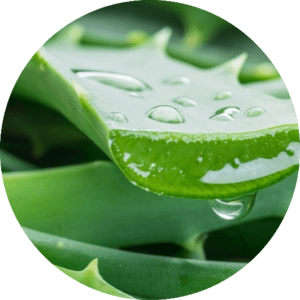
Aloe PDRN is a plant-derived polynucleotide (PDRN) extracted from Aloe vera using BiotaGenic Technology, a proprietary extraction process that avoids the use of irritating lysis buffers and relies instead on natural cellulase and purified water.
The process yields a highly pure, low-irritation PDRN. Aloe vera, widely recognized for its polysaccharide-rich gel and exceptional moisture-retention properties, provides this ingredient with an ideal profile for soothing, hydrating, and skin-repair formulations. These benefits are further enhanced by the regenerative activity of PDRN, which supports the repair of damaged cells and tissues.
INCI: Sodium DNA
Purity Analysis and Molecular Characterization
- Purity: An A260/A280 ratio of 1.792, virtually identical to the reference value of 1.8 for highly pure DNA, as confirmed by UV–Vis spectroscopy.
- Molecular size: Agarose gel electrophoresis analysis confirmed a molecular size below 500 bp, making it suitable for topical cosmetic applications.
Phyto Collagen (PD)
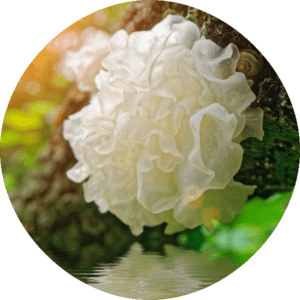
Phyto Collagen (PD) is a naturally derived ingredient obtained from Tremella fuciformis, rich in polysaccharides and extensin-type glycoproteins that are structurally similar to collagen. Its low molecular weight promotes the formation of a flexible film on the skin, helping to improve comfort, skin elasticity, and barrier function.
INCI: Water, Propanediol, Tremella Fuciformis (Mushroom) Extract
In vitro studies.
- Anti-aging activity: at a concentration of 1%, Phyto Collagen (PD) showed a 20.8% inhibition of MMP-1 activity in human dermal fibroblasts exposed to UVA radiation (p<1, a key enzyme involved in collagen degradation and loss of elasticity.
- Water retention capacity: in comparative tests at 10%, Phyto Collagen (PD) showed superior water-holding capacity compared to water and glycerin, maintaining moisture content for a longer period of time.
Ex vivo studies.
- Skin hydration: an emulsion containing 5% Phyto Collagen (PD) increased AQP3 expression by 56.7%, a key protein involved in water transport between epidermal cells.
- Barrier function: 18.75% increase in filaggrin expression, associated with enhanced production of Natural Moisturizing Factors (NMF).
- Elasticity: Increased elastin expression by 21.6% in the dermis, helping to reinforce skin structure and improve elasticity.
Spicule Vessel — Hydrolyzed Sponge
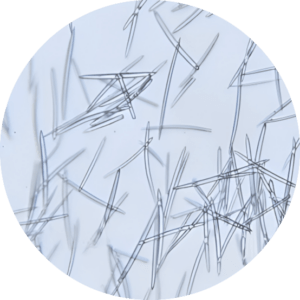
Natural microneedles derived from Spongilla lacustris, obtained through a hydrolysis process achieving 99% purity. With a diameter of just 15 µm, these microscopic structures penetrate the stratum corneum, enhancing the delivery of active ingredients into deeper skin layers while promoting cellular renewal and natural exfoliation. They are particularly suitable for high-penetration formulations and products targeting dull or aging skin.
INCI: Hydrolyzed Sponge
In vitro studies
- Penetration: 8-fold faster delivery and 33-fold higher active deposition compared with the liposome alone (ex vivo, 60 minutes).
MV Extract 2.0(N) — Malva Verticillata Seed Extract
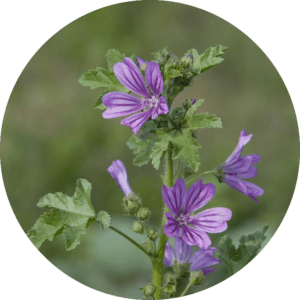 MV Extract 2.0 is a high-purity aqueous extract obtained from the seeds of Malva verticillata (Donggyuja). It is designed to help reduce hair loss, increase hair density, and improve hair thickness. The ingredient is particularly suitable for anti-hair loss treatments, hair density formulations, and scalp care applications.
INCI: Malva Verticillata Seed Extract, Pentylene Glycol, Water
Estudio in vivo. (aleatorizado, doble ciego, 24 semanas, 70 sujetos)
- Significant increase in hair count from week 8 onward (p < 0.05), together with improvements in hair loss reduction and hair thickness compared with the control group at weeks 16 and 24. No irritation was reported throughout the study.
These are just a few of the Korean cosmetic actives available in our portfolio. If any of them have caught your interest, or if you would like to explore how they could fit into your next formulation, we are here to help you. Contact our team. Korean cosmetic actives.
References
- Ministerio de Alimentos y Seguridad de los Medicamentos de Corea del Sur (MFDS), Análisis nacional de producción, exportaciones e importaciones de cosméticos 2024, publicado el 27 de mayo de 2025. Disponible en korea.netos coreanos